Cindergrove Roasters LLC · Founded 2016 · Eleven people
Ten years, one drum.
01The story
Greta Halvorsen spent six years training baristas for a Portland cafe group and kept finding the same problem: the coffee showed up stale, with no date on the bag.
Miguel Ortega, meanwhile, was buying green coffee for an importer in Seattle and watching small, excellent lots disappear into blends. In the spring of 2016 they split the rent on a 900-square-foot former upholstery shop at 2210 NE Alberta Street and bought a secondhand 15 kg drum roaster that still smelled of the bakery supplier who sold it.
The first year was 40 lb a week and a stall at the Sunday market. Greta roasted at night to keep the shop cool and slept in the back twice. Miguel drove the van, which was also his car.
Neither of them has changed jobs since. Greta still roasts Tuesday and Friday. Miguel still cups every lot before he buys it, and still answers wholesale email.
2016
First roast in a former upholstery shop on NE Alberta Street. About 40 lb a week, sold from a stall at the Sunday market.
2018
Three cafes sign on. Miguel buys our first full bags direct from a producer, instead of through an importer.
2019
First harvest from Los Cedros in Huila. We have bought from the same washing station every year since.
2021
Online subscriptions open. The roast date moves from the label to the front of the bag.
2023
The tasting bar opens in the front half of the roastery. Six stools.
2024
Friday becomes a second roast day. Wholesale delivery moves to the van.
2025
About 22,000 lb roasted. Eleven people on the payroll.
02Producers
We buy from people we can name.
01
Los Cedros washing station
Pitalito, Huila, Colombia
Forty-odd families bring cherry to a station run by the Muñoz sisters. We have bought their Pink Bourbon and house lots since 2019, and Miguel visits every other February.
02
Duromina Cooperative
Kochere, near Yirgacheffe, Ethiopia
Roughly 900 smallholders on plots of under two hectares. The washed lot is the one we buy first each season; the naturals come from neighbouring mills.
03
Finca La Pimienta
Siltepec, Chiapas, Mexico
The Aguilar family farm: 14 hectares, shade-grown, washed and honey lots from different terraces. We buy the full harvest and roast it across the year.
Honey process
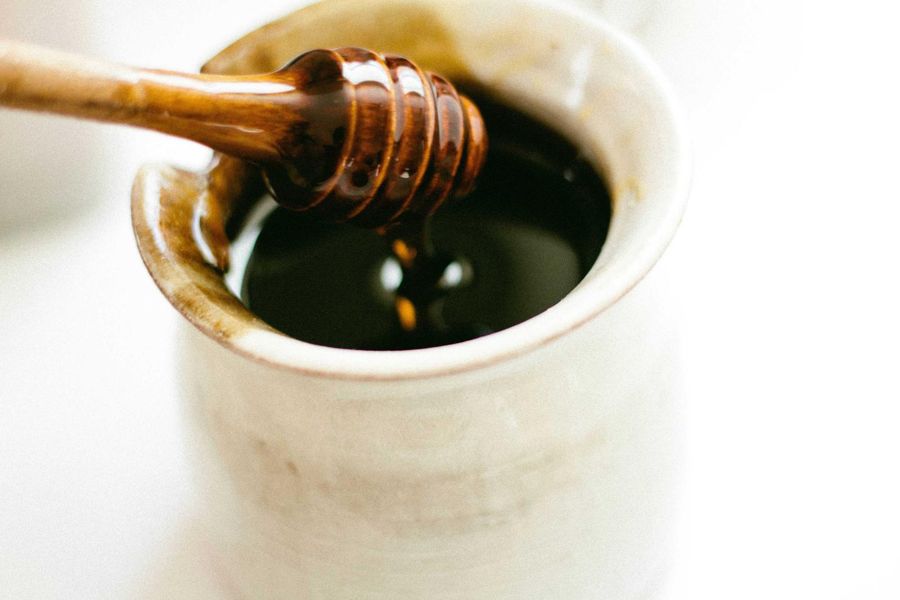
The Chiapas honey lot dries with the fruit’s mucilage left on. Brown sugar, plum, hazelnut. No honey in the cup, despite the name.
Natural process
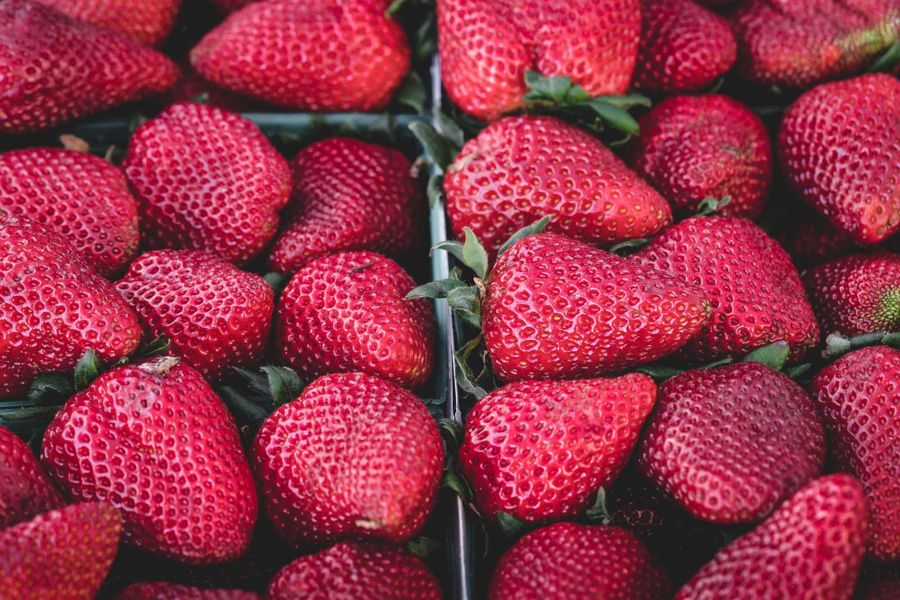
The Guji natural is dried in the cherry for three weeks. The first note on every cupping sheet is ripe strawberry.
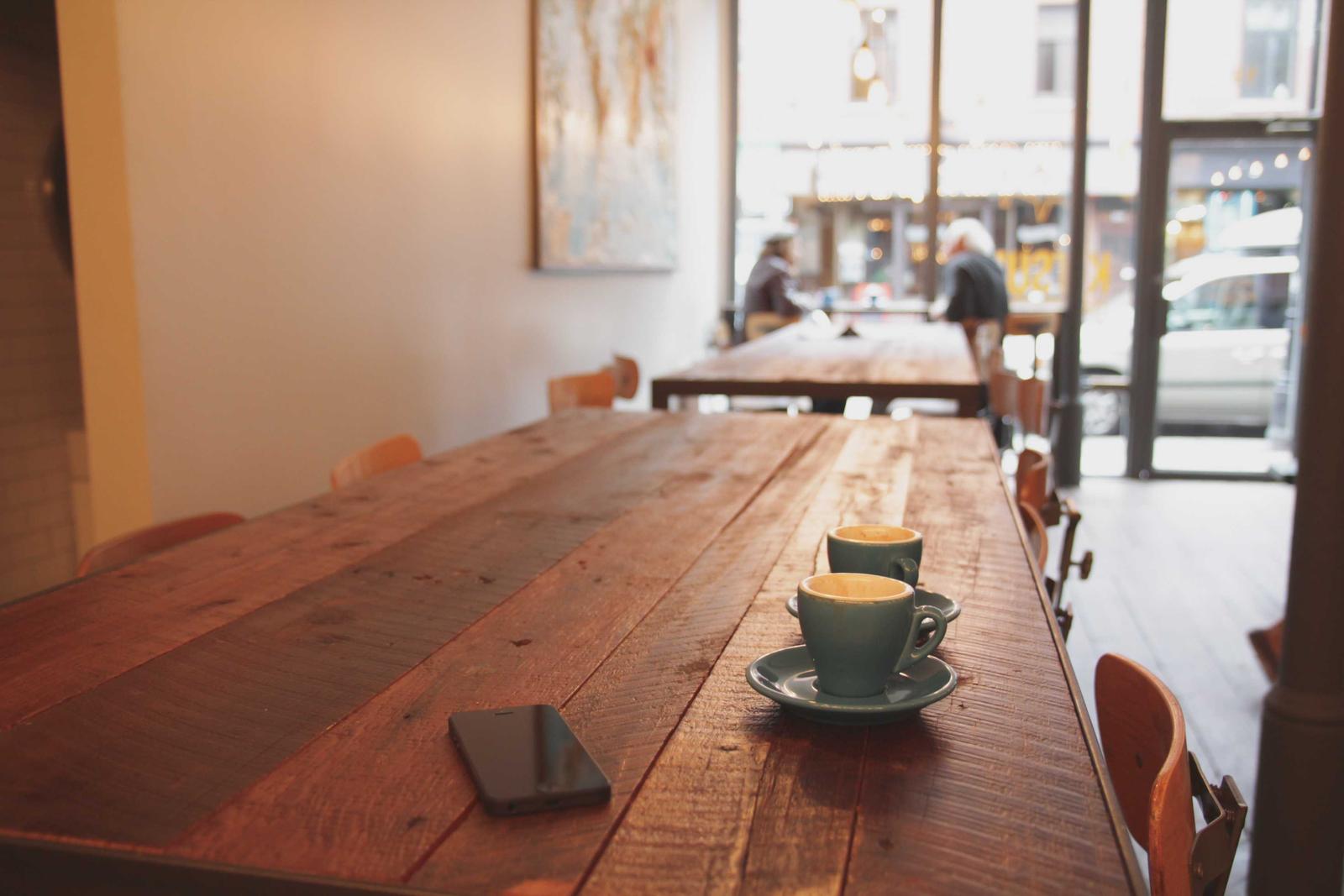
The tasting bar, 2210 NE Alberta Street. Wednesday to Sunday, 8 am to 3 pm
The roaster sits twenty feet from the bar, so the shop smells like a Tuesday morning from open to close. Anyone can watch a batch drop on roast days if they ask Greta nicely and stay behind the yellow line.
The bar pours the whole list by the cup, sells bags at list price with no shipping, and keeps a small shelf of brewers and filters. Ask for Priya on the bar if you want a flight of three.
Tasting bar
Wed to Sun, 8 am to 3 pm
Roasting
Tue and Fri mornings
Phone and email
Mon to Fri, 9 am to 4 pm PT
Deliveries use the alley off NE 22nd. Closed November 25 to 29 for Thanksgiving week.
04From the roastery
The logbook, edited.
Kenya Ndimaini is back, for about six weeks
The Ndimaini factory lot landed in Portland on a Thursday and was on the cupping table by Friday afternoon. Blackcurrant first, grapefruit behind it, and a savoury edge we have learned to love.
We bought 22 bags. At the pace our subscribers drink it, that is roughly six weeks. If you want it on a subscription, tell us before the first week of December.
Why we print the roast date and skip “best by”
A best-by date tells you when the seller stops worrying. A roast date tells you what is in the bag. We print it large, on the front, in the same ember ink as our stamp.
Our rule of thumb: give a bag four days to settle, drink it within thirty. After that it is still coffee, just quieter.
Roasting at 5 am in a heat wave
When the shop hit 96°F in July, Greta moved the roast start from 6 to 5 am and propped the back door open. Batch times crept up by about 40 seconds and she adjusted the charge temperature to match.
The logbook for those weeks is full of notes in the margins. The coffee was fine. The roaster was not happy about it, and neither were we.